

Tackling the Fallout of Missing Teeth
Losing one or more teeth can have a far greater impact than many people initially realise. While the most obvious concern may be the appearance of a gap in the smile, missing teeth can also affect eating, speaking, confidence, and even long-term oral health. Left untreated, tooth loss can lead to a series of changes that increase the likelihood of future dental problems.
Fortunately, modern dentistry offers a range of effective solutions that can restore both function and appearance. Understanding the wider effects of tooth loss is the first step towards making an informed decision about treatment.
Everyday Challenges of Tooth Loss
Missing teeth can make routine activities more difficult. Chewing certain foods may become uncomfortable, leading some people to avoid healthier options such as fresh fruit, vegetables, and lean meats. Over time, this can affect overall nutrition and enjoyment of meals.
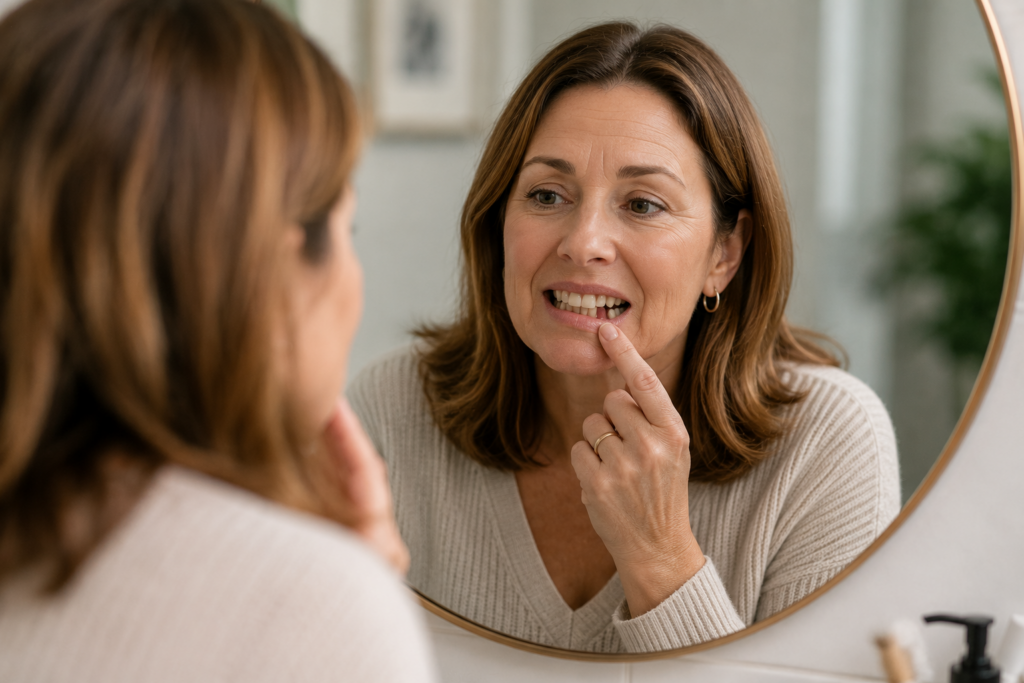
Speech can also be affected, particularly if front teeth are missing. Certain sounds may become more difficult to pronounce, which can impact confidence in both social and professional situations. Many people also find themselves becoming more self-conscious about smiling, laughing, or speaking in public. Even the loss of a single tooth can influence self-esteem, making people reluctant to engage fully in everyday interactions.
The Hidden Effects on Oral Health
Tooth loss does not only affect the visible gap. Each tooth plays an important role in supporting the surrounding teeth and maintaining the structure of the jaw. When a tooth is missing, neighbouring teeth can gradually drift into the empty space. This movement may create bite problems, make teeth harder to clean, and increase the risk of decay and gum disease.
The jawbone also relies on stimulation from tooth roots to maintain its strength. Without that stimulation, the bone in the affected area can begin to shrink over time. This bone loss may alter facial appearance, contributing to a more sunken look around the mouth and cheeks.
Restoring Function and Confidence
Replacing missing teeth can help prevent many of these complications while restoring normal function. Treatment options vary depending on the number of missing teeth, the condition of the jawbone, and individual lifestyle needs.
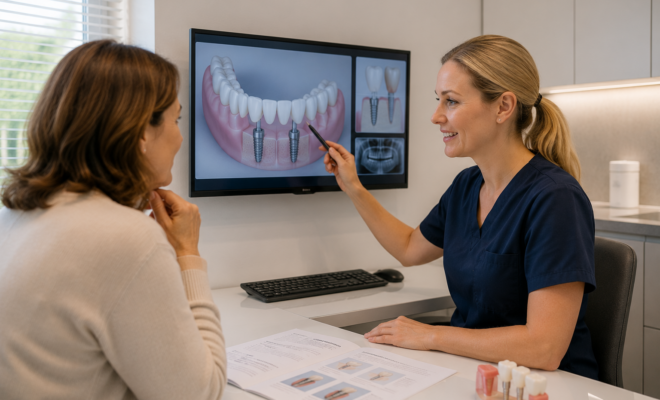
For people who have lost most or all of their teeth, all on 4 implants offer a stable and long-lasting solution. By securing a full arch of replacement teeth using just four carefully positioned implants, this treatment can restore the ability to eat, speak, and smile with greater confidence while also helping to preserve jawbone health.
Unlike removable dentures, implant-supported restorations provide greater stability and are designed to feel much more like natural teeth, allowing many patients to return to everyday activities without the worry of slipping or movement.
Looking After Your Oral Health After Treatment
Replacing missing teeth is only part of maintaining a healthy smile. Good oral hygiene remains essential, regardless of the type of restoration you choose. Brushing twice a day, cleaning between the teeth, attending regular dental check-ups, and following your dentist’s advice all contribute to the long-term success of your treatment. Maintaining healthy gums is particularly important for protecting dental implants and supporting the surrounding tissues. A balanced diet and avoiding smoking can also improve oral health and help maximise the lifespan of dental restorations.
Seeking Treatment Sooner Rather Than Later
It can be tempting to delay treatment if a missing tooth does not initially cause discomfort. However, the longer a gap remains untreated, the greater the risk of neighbouring teeth shifting and bone loss.
Seeking professional advice early allows your dentist to assess the condition of your mouth and recommend the most suitable treatment before additional complications develop. In many cases, early intervention can simplify treatment and improve long-term outcomes.
Final Thoughts
Missing teeth affect much more than appearance. They can influence how you eat, speak, and feel about yourself while also contributing to changes in the health of your mouth and jaw. Thankfully, modern restorative dentistry provides reliable options that can rebuild both function and confidence.



You must be logged in to post a comment Login